How does fire damage restoration work in Williams?
Fire damage restoration in Williams (ZIP 86046) is available 24/7 for chimney and wood stove fires, kitchen fires in homes, motels and restaurants, wildfire smoke from the surrounding Kaibab National Forest, and the firefighting water left behind. Crews board up, clean smoke and soot, protect plumbing from freezing in winter and rebuild. Williams is about 30 to 40 minutes from Flagstaff on Interstate 40.

Wood heat and chimney fires in Williams
Williams sits at almost the same elevation as Flagstaff, and cold air drains off Bill Williams Mountain into town on clear winter nights. A lot of homes here, from the older houses near downtown to cabins in the pines south of town, burn wood or pellets for at least part of the winter. That means creosote, and creosote means chimney fires.
A chimney fire in an older Williams home is often worse than it looks from inside. Masonry chimneys in early 1900s houses may have no liner, or a cracked clay liner, and wood framing that sits closer to the flue than modern code allows. Heat from a creosote fire can char that framing behind the plaster without any visible damage in the room. After any chimney fire, the chimney and wood stove fire damage process starts with a sweep's inspection and opening the wall where heat may have reached.
- Sweep the chimney every fall before the first fire.
- Burn seasoned wood; green ponderosa leaves heavy creosote.
- Store ashes in a lidded metal can outside, away from the house and decks.
Historic downtown buildings
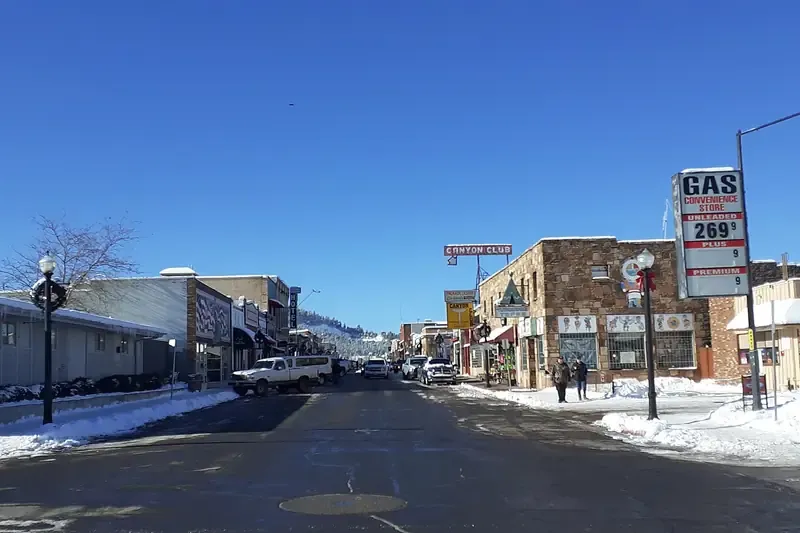
Downtown Williams is a Route 66 historic district with buildings from the early 1900s, many with shared walls, wood framing behind brick fronts and attics that connect across several storefronts. A fire in one business can push smoke into its neighbors through common attics and gaps in party walls. Restoration in these buildings means checking adjoining spaces, not just the one that burned, and handling original materials with care: plaster walls can often be cleaned and sealed instead of replaced, and old-growth wood floors usually clean and refinish well.
Older wiring, knob-and-tube or early cloth-insulated circuits in some buildings, is a common ignition source and must be evaluated by an electrician during any fire damage repair.
Motels, restaurants and rentals
As the gateway to the Grand Canyon and home of the Grand Canyon Railway, Williams has more motel rooms, restaurants and short-term rentals per resident than almost anywhere in Northern Arizona. Kitchen fires in restaurants and rental units, space heater fires in motel rooms and guests misusing wood stoves in cabins all show up on the call list.
For lodging businesses, the priority is getting rooms back in service. A phased plan isolates the fire room, cleans adjoining rooms and the hallway first, and releases rooms as they pass odor checks. The commercial fire damage restoration page explains how that works, and kitchen fire cleanup covers restaurant and rental kitchens.
Wildfire smoke from the Kaibab
Williams is surrounded by the Kaibab National Forest, and Bill Williams Mountain rises right above town. Prescribed burns and wildfires on the forest send smoke into town most years, and homes along the forest edge face ember exposure when a fire runs. After a nearby fire, wildfire smoke cleanup handles ash, cooler pads, ducts and odor, even when the house never caught fire.
Winter fires and frozen plumbing
Many Williams fires happen in winter, when heating appliances run hardest. After the fire, the house usually has no power and broken windows, and Williams nights can fall into the single digits. Water in the pipes, water heater and toilets freezes within hours and splits lines, adding a second loss on top of the fire. Draining the plumbing or running safe temporary heat is part of securing the house, along with emergency board-up. The firefighting water damage page explains the drying and freeze protection steps.
Williams and its surrounding forest homes share one ZIP code, 86046, from the Route 66 storefronts out to cabins near Kaibab Lake and the slopes of Bill Williams Mountain, and fire damage service covers the whole ZIP.
Fire restoration costs in Williams
Chimney fire soot cleanup with framing repair typically runs $2,000 to $12,000 depending on how far heat traveled. Kitchen fires in homes and rentals commonly cost $3,000 to $15,000. A motel room fire, including smoke cleanup in adjoining rooms, often lands between $10,000 and $35,000. Wildfire smoke cleanup usually costs $1,000 to $6,000. Travel time from Flagstaff can add a little to emergency calls. The fire damage restoration cost guide explains how the bill is built.
Older Williams homes and rentals: what to check before winter
Before heating season, a short checklist prevents many of the fires that bring calls in January:
- Have the chimney or stovepipe inspected and swept.
- Check that space heaters in motel rooms and rentals have tip-over shutoff and are not near curtains or bedding.
- Test smoke and carbon monoxide alarms in every unit.
- Keep a metal ash can with a lid outside, away from buildings.
- Have older electrical panels checked if breakers trip often.
Getting help in Williams after hours
Fires do not wait for daylight, and a winter night fire in Williams leaves a family needing shelter and a house needing to be closed up before morning. Calls are answered around the clock. Board-up, water removal and freeze protection can start the same night once the fire department releases the house, and the full cleanup plan follows in daylight with the owner, the adjuster and the crew walking the house together. Motels and rentals can usually move guests to unaffected rooms that same night if smoke stayed in one wing.